

Low-Moisture Dry Carpet Cleaning Solutions for Humid Climates in New South Wales
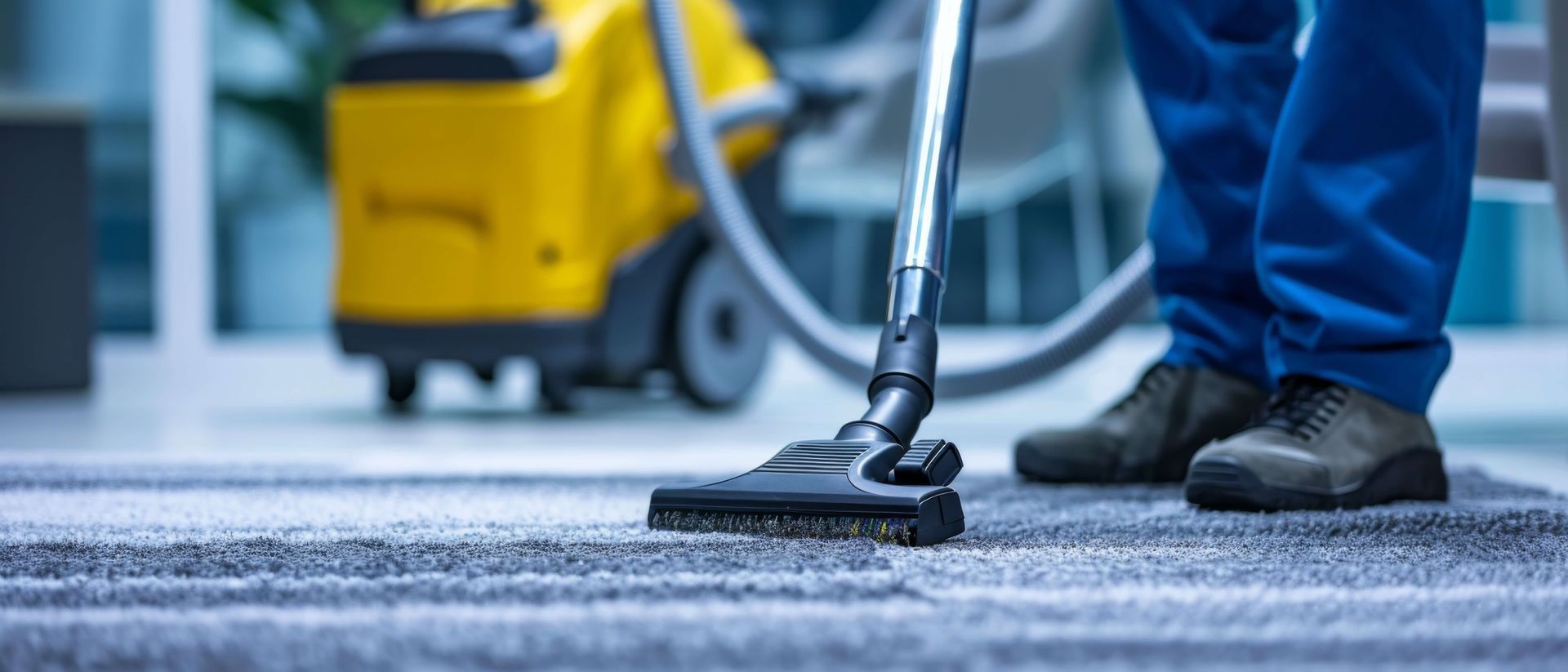
Low-moisture dry carpet cleaning is a practical choice for homes and businesses in humid parts of NSW. It uses far less water than wet carpet cleaning methods, so the carpet can dry faster and the room can be used again sooner. This is helpful in areas where damp air, coastal weather, poor airflow, or rainy days can slow down carpet drying.
For homes in nearby NSW suburbs, drying time matters just as much as cleaning quality. When carpet stays damp for too long, it can start to smell musty and may create the kind of moist indoor condition where mould becomes a concern. NSW Health notes that mould can grow in wet or moist areas with poor ventilation, including carpets. Stain Doctors notes that quick drying is important in Wollongong’s humid weather because it can help prevent mould and mildew growth.
Why Humid NSW Weather Changes the Best Cleaning Method
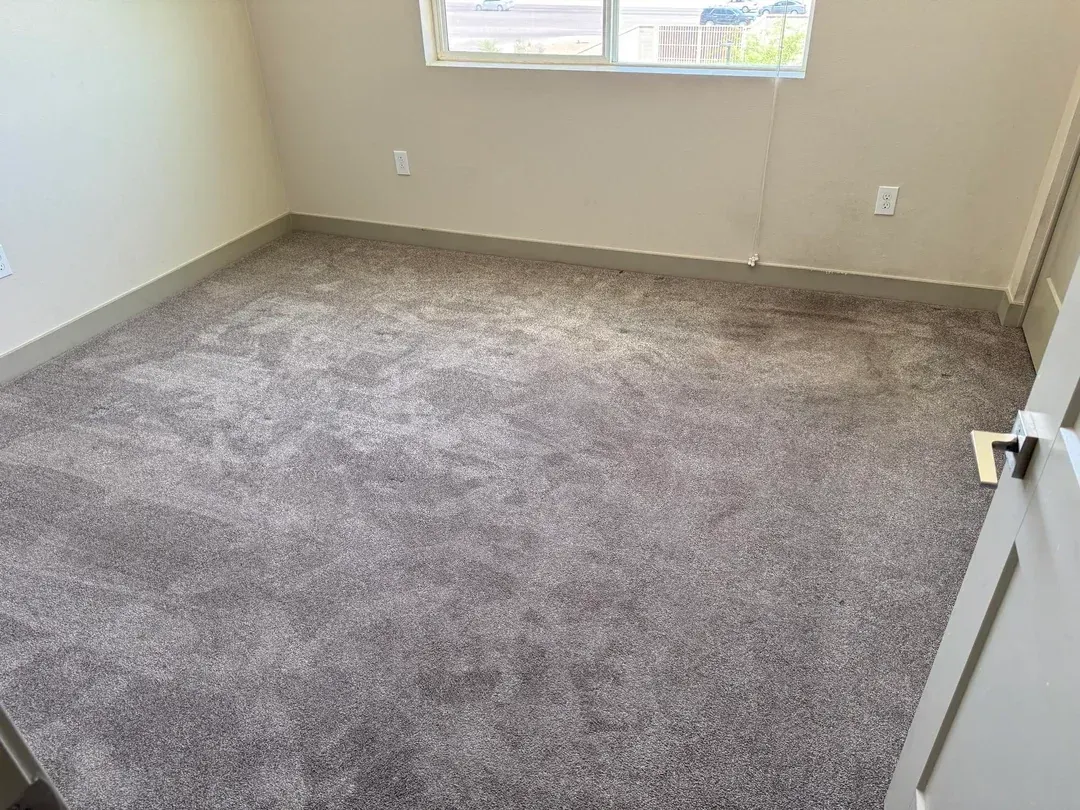
Carpet dries when moisture leaves the fibres and moves into the air. In humid weather, the air already holds more moisture. This means the carpet may dry more slowly than it would on a dry and breezy day. This is why humid NSW weather matters. A carpet in a closed bedroom, a coastal home, a ground-floor room, or a unit with poor airflow can stay damp longer after wet cleaning. When the carpet stays damp, the room may smell stale or musty. Damp fibres can also pick up dirt faster if people walk on the carpet too soon.
Low-moisture cleaning helps because less water goes into the carpet from the start.
There is less moisture to remove, so drying is usually easier to manage. This is helpful during rainy weeks, humid summer days, or in homes where windows cannot stay open for long. This does not mean wet cleaning is wrong. It only means the method should match the carpet, the room, and the weather. In humid homes, the safest cleaning plan is often the one that cleans well without leaving too much moisture behind.
How Does the Low-Moisture Cleaning Process Work?
A good low-moisture clean still needs a proper process. It should not be done like a quick spray over the carpet. The cleaner needs to check the carpet first, remove dry soil, treat problem areas, and use the right cleaning method for the fibre.
A clear process may include:
- Checking the carpet fibre, backing, pile height, and age
- Vacuuming loose dry soil before cleaning starts
- Looking for stains, odour, pet marks, and traffic lanes
- Applying a low-moisture cleaning solution or compound
- Working the product through the carpet pile with the right machine
- Lifting soil from the fibres without over-wetting the carpet
This process helps the carpet look fresher without leaving it wet for many hours. It is also useful for homes where kids, pets, or family members need to use the room again the same day.
If the carpet has heavy soil deep in the pile, a deeper cleaning method may be needed.
Dry Carpet Cleaning vs Steam Cleaning: Which Is Better?
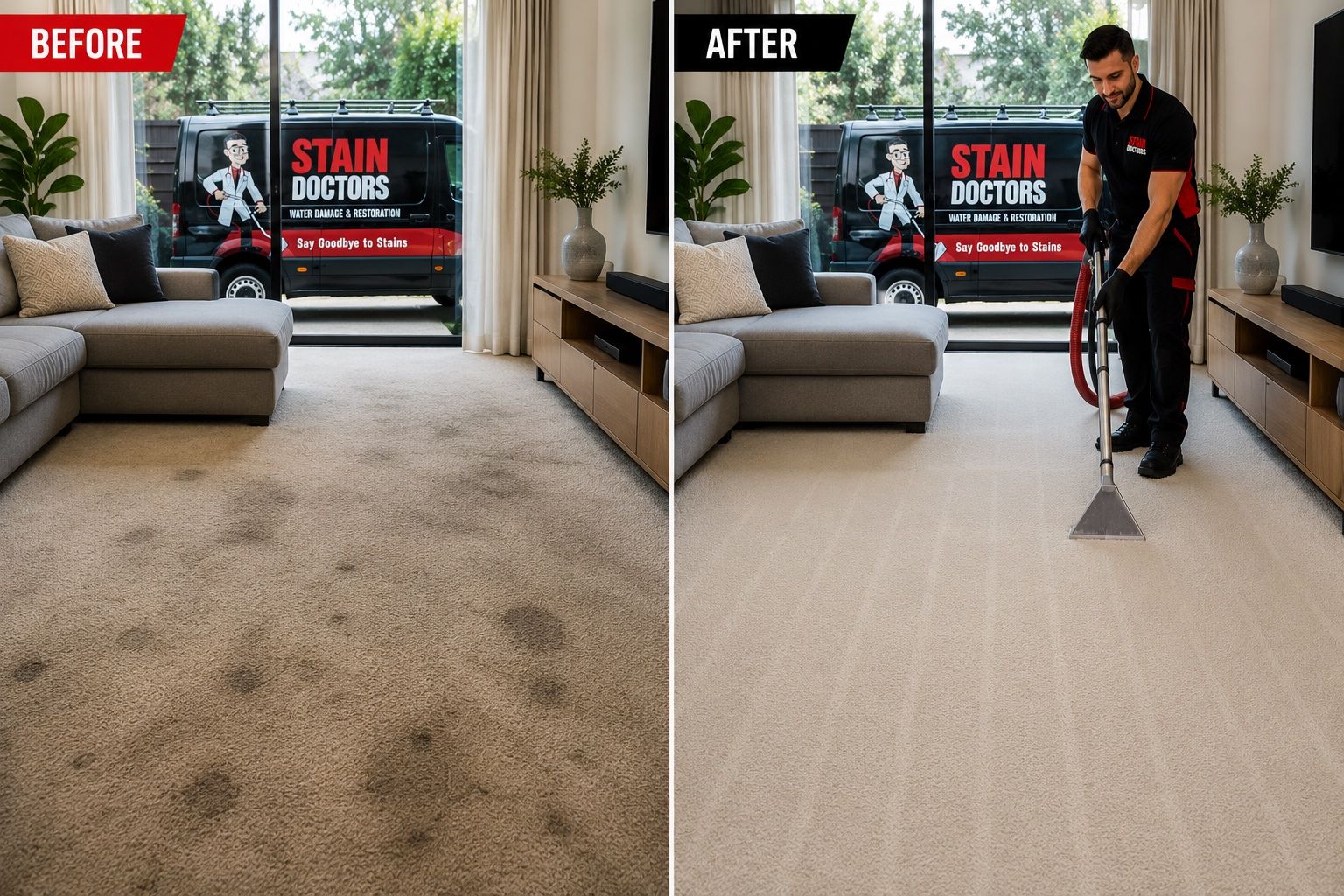
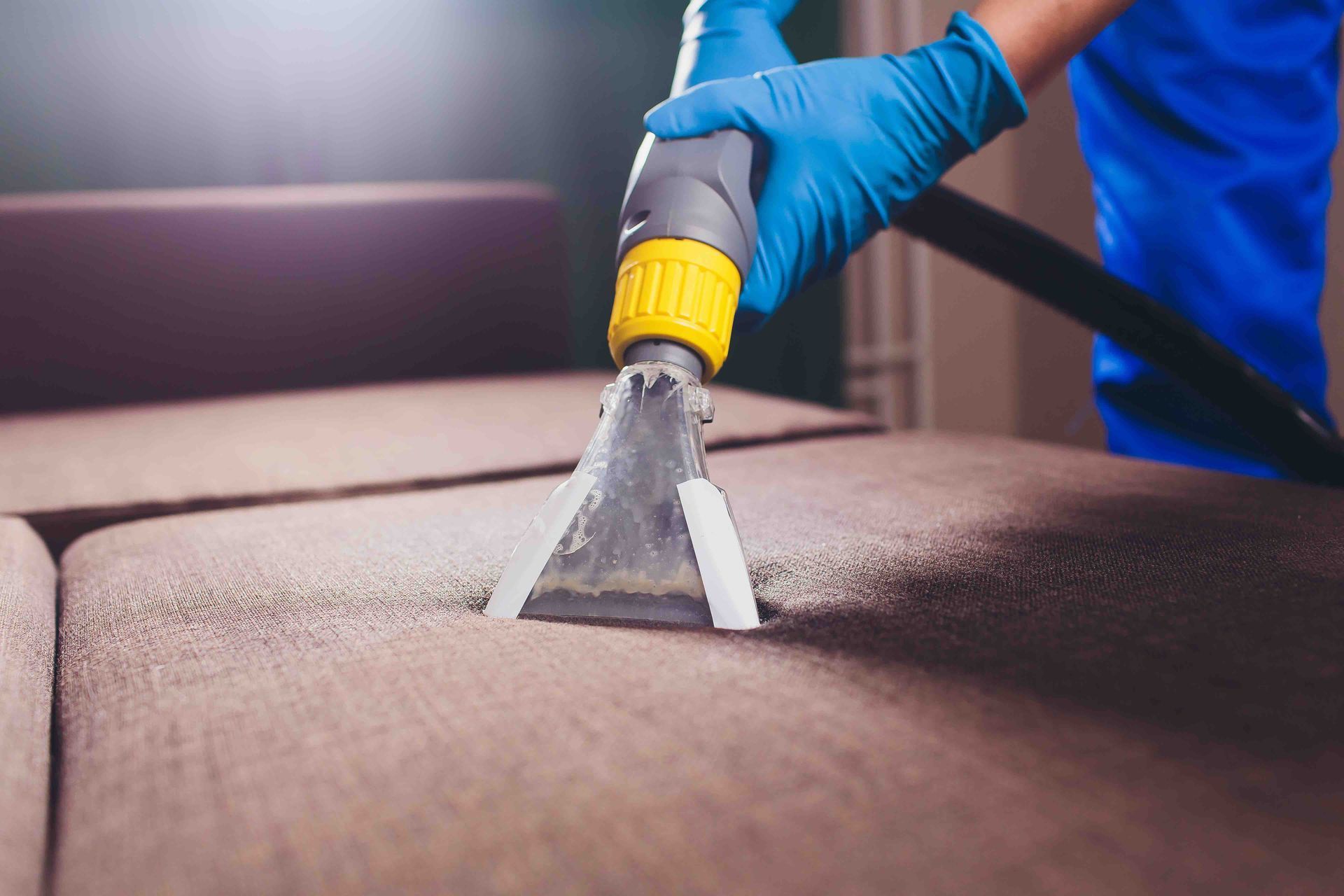
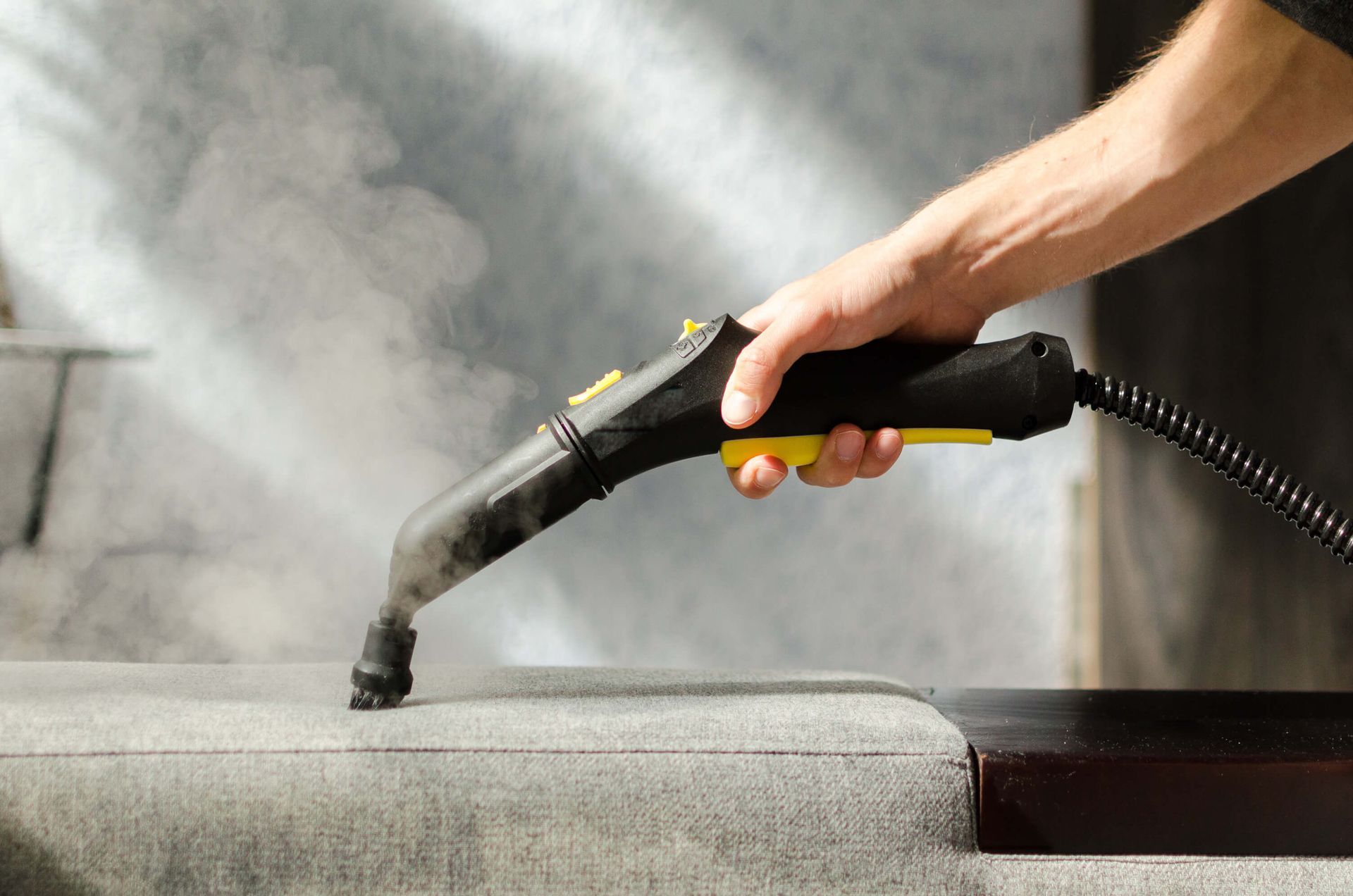
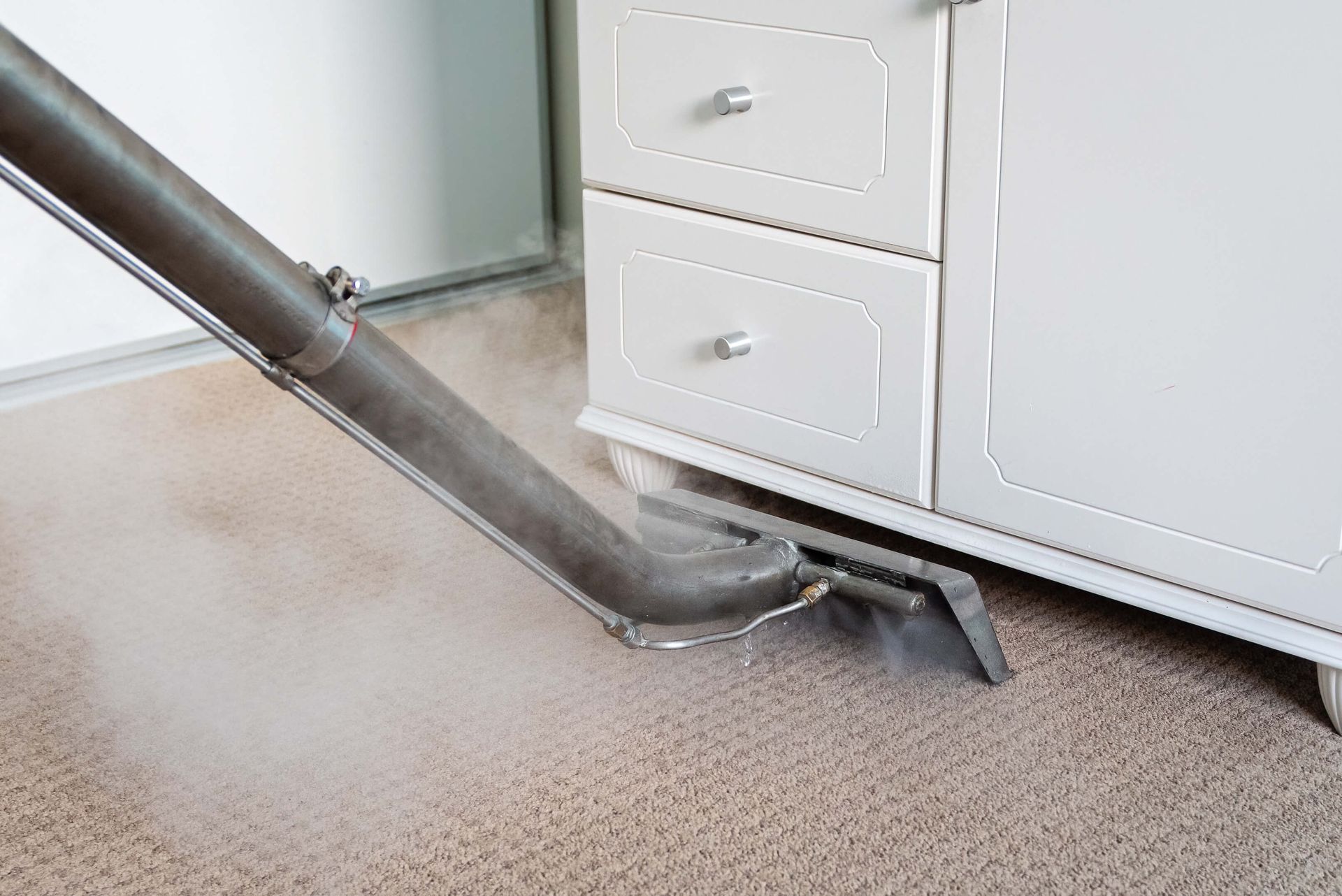
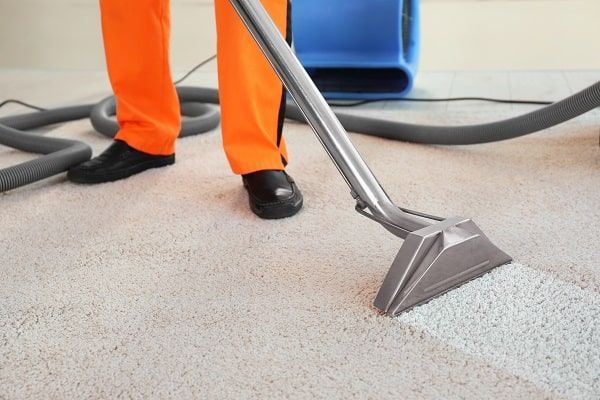
Dry carpet cleaning and steam cleaning both have value, but they solve different problems. Dry cleaning is better when the carpet needs a fresh clean with less water and faster drying. Steam cleaning is better when the carpet needs deeper soil removal. Carpet Steam Cleaning can be useful for heavy soil, deep grime, allergens, and dust mites. Stain Doctors says its carpet steam cleaning service uses high-temperature steam to penetrate carpet fibres and remove dirt, stains, and allergens.
In humid weather, dry cleaning may be more practical when the carpet is not heavily soiled. It keeps moisture lower, which can help reduce drying problems in closed rooms or damp conditions. Steam cleaning may still be the better choice if the carpet has not been cleaned for a long time or has deeper dirt. The best method depends on the carpet's condition. A lightly soiled bedroom carpet may suit dry cleaning. A heavily soiled lounge room carpet may need steam cleaning or hot water extraction. A professional cleaner should check the carpet before choosing the method.
When Is Carpet Dry Cleaning Best?
Low-moisture dry cleaning is best when the carpet needs a fresh clean without a long drying time. It is a good option for many homes and businesses where moisture control matters.
Dry cleaning is useful when:
- The carpet has light to medium soil
- The room needs to be used again soon
- The weather is humid or rainy
- The carpet is in a bedroom, office, or rental home
- The space has poor airflow
- The carpet needs regular maintenance
- The user wants a faster-drying clean
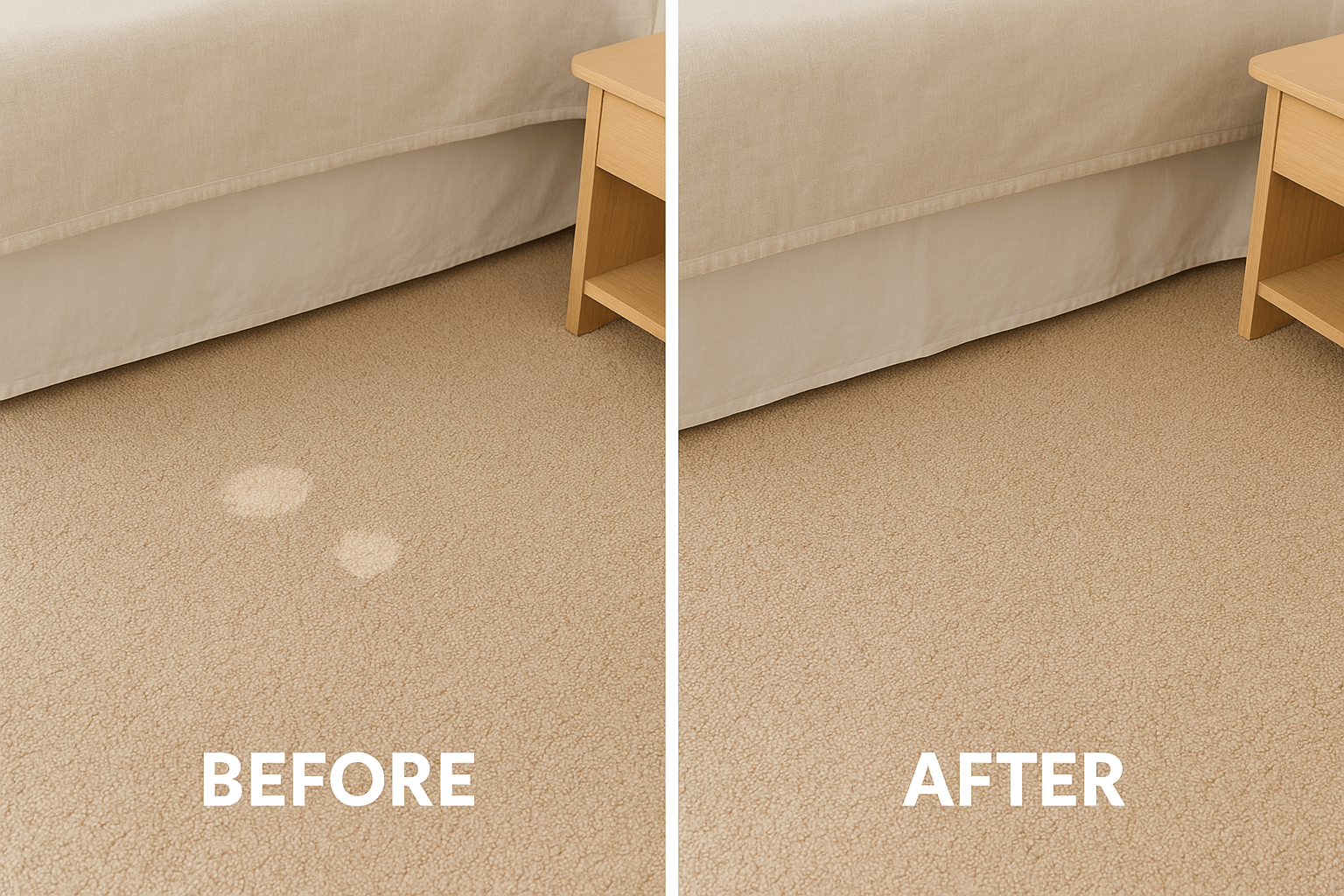
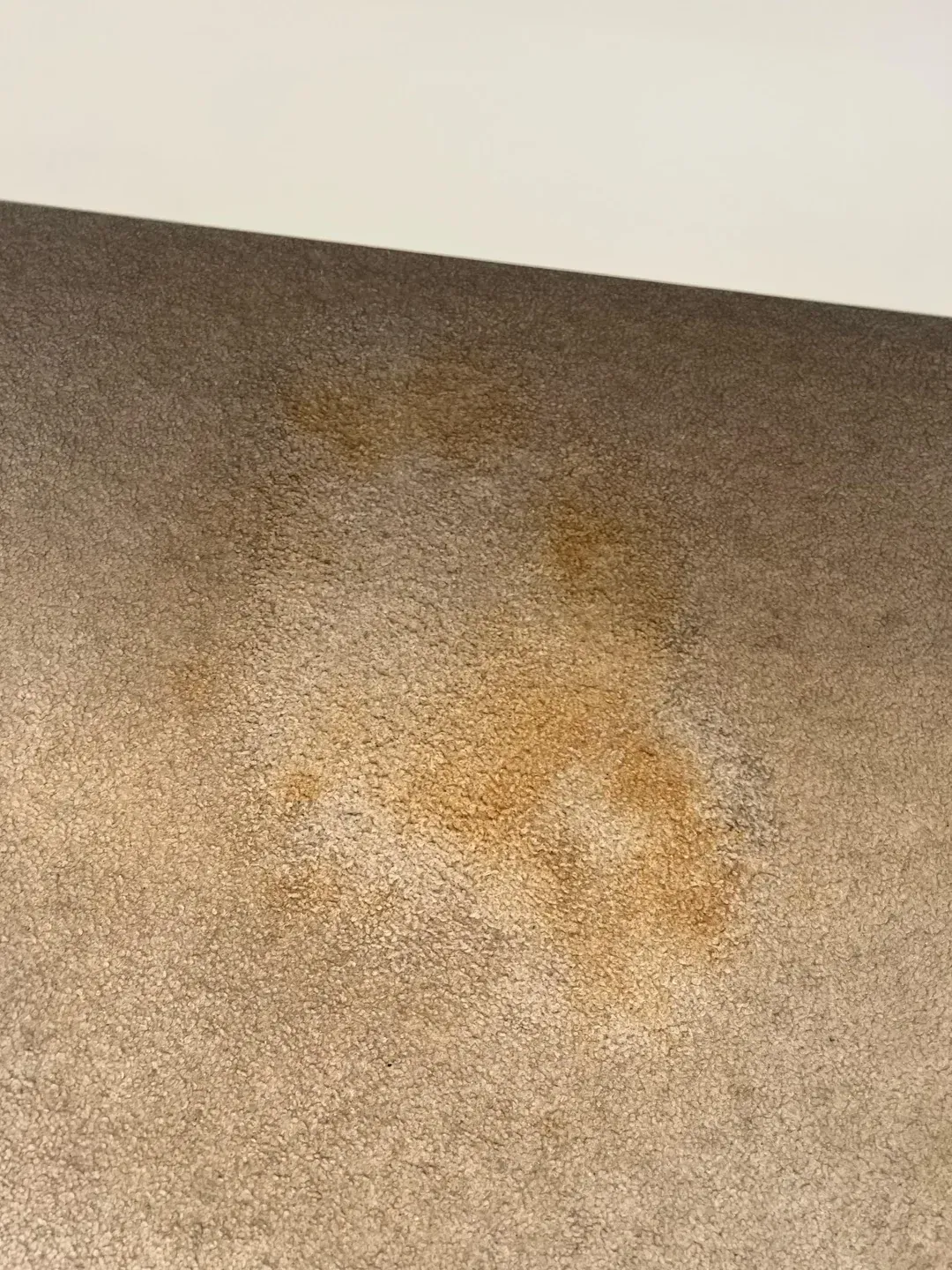
Dry cleaning may not be enough when the carpet has deep stains, old pet urine, wet underlay, mould, flood damage, or heavy grime. These problems often need a different service because the issue may sit deeper than the upper carpet pile. Stain Doctors says its stain removal service targets stains such as wine, coffee, ink, and pet stains with treatments that are tough on stains but gentle on carpets
When Should You Call Stain Doctors?
Contact us if your carpet has musty smells, pet odours, light stains, damp patches, dull areas, or marks that do not improve after vacuuming. These signs can mean the carpet has trapped soil, moisture, or odour inside the fibres. Low-moisture Carpet Dry Cleaning can be a good option when the carpet needs a fresh clean but should not stay wet for long. This is especially helpful in humid NSW weather, where damp carpet can take longer to dry and may start to smell stale.
Stain Doctors can help find the real cause of the problem. It may be surface dirt, old stains, trapped moisture, underlay damage, fabric odour, or carpet colour loss. The right fix starts with the right cause, and early help can stop small carpet problems from becoming bigger issues.
Frequently Asked Questions (FAQs)
Is low-moisture dry carpet cleaning good for humid NSW homes?
Yes. It is often a good choice because it uses less water than wet cleaning methods. Less water means the carpet has less moisture to release after cleaning, which can help it dry faster in humid weather.
How long does carpet take to dry after dry cleaning?
Drying time depends on the method, carpet type, pile thickness, airflow, and humidity. Low-moisture cleaning usually dries faster than wet cleaning, but thick carpet, wool carpet, closed rooms, and humid days can still slow the process.
Is dry carpet cleaning better than steam cleaning?
Dry carpet cleaning is better when fast drying and low moisture are the main goals. Steam cleaning is better when the carpet needs deeper cleaning for heavy soil, grime, allergens, or dust mites.
Why does my carpet smell musty after cleaning?
A musty smell can happen when carpet dries too slowly or when moisture is trapped under the surface. It can also come from old spills, pet urine, wet underlay, or poor airflow. If the smell stays after the carpet feels dry, the carpet should be checked again.
Is low-moisture dry cleaning safe for wool carpet?
It can be suitable for some wool carpets because it uses less water, but wool still needs careful handling. The cleaner should use safe products, avoid harsh scrubbing, and control moisture because wool can hold water longer than many synthetic fibres.
Ready to work with Stain Doctors?
Let's connect! We’re here to help.
Send us a message and we’ll be in touch.
Or give us a call today at 0242-026-354
Agency Contact Form
More Carpet Cleaning Tips, Tricks & Tools
Stain Doctors Blogs