

Bathroom Tile & Grout Cleaning in NSW: Removing Soap Scum & Mildew, Preventing Build-Up & Common Issues
Bathroom tiles are one of the hardest-working surfaces in any home. They are exposed to water, soap, steam, and daily use, and over time, even the most well-maintained bathroom can start to show signs of soap scum buildup, mildew growth, and discoloured grout that no amount of regular wiping seems to fix. For homeowners across NSW, this is one of the most common and frustrating household cleaning challenges they face. Soap scum and mildew are not simply unsightly; they actively damage your tile surfaces, break down grout integrity, harbour bacteria and allergens, and create genuinely unhealthy conditions in one of the most frequently used rooms in your entire home.
At Stain Doctors, we work with homeowners across NSW every day to restore bathroom tiles and grout to a genuinely clean, fresh, and healthy condition through our professional Tile & Grout Cleaning service, and this guide is created to give you the complete and authoritative information.
What Causes Soap Scum and Mildew in Your Bathroom
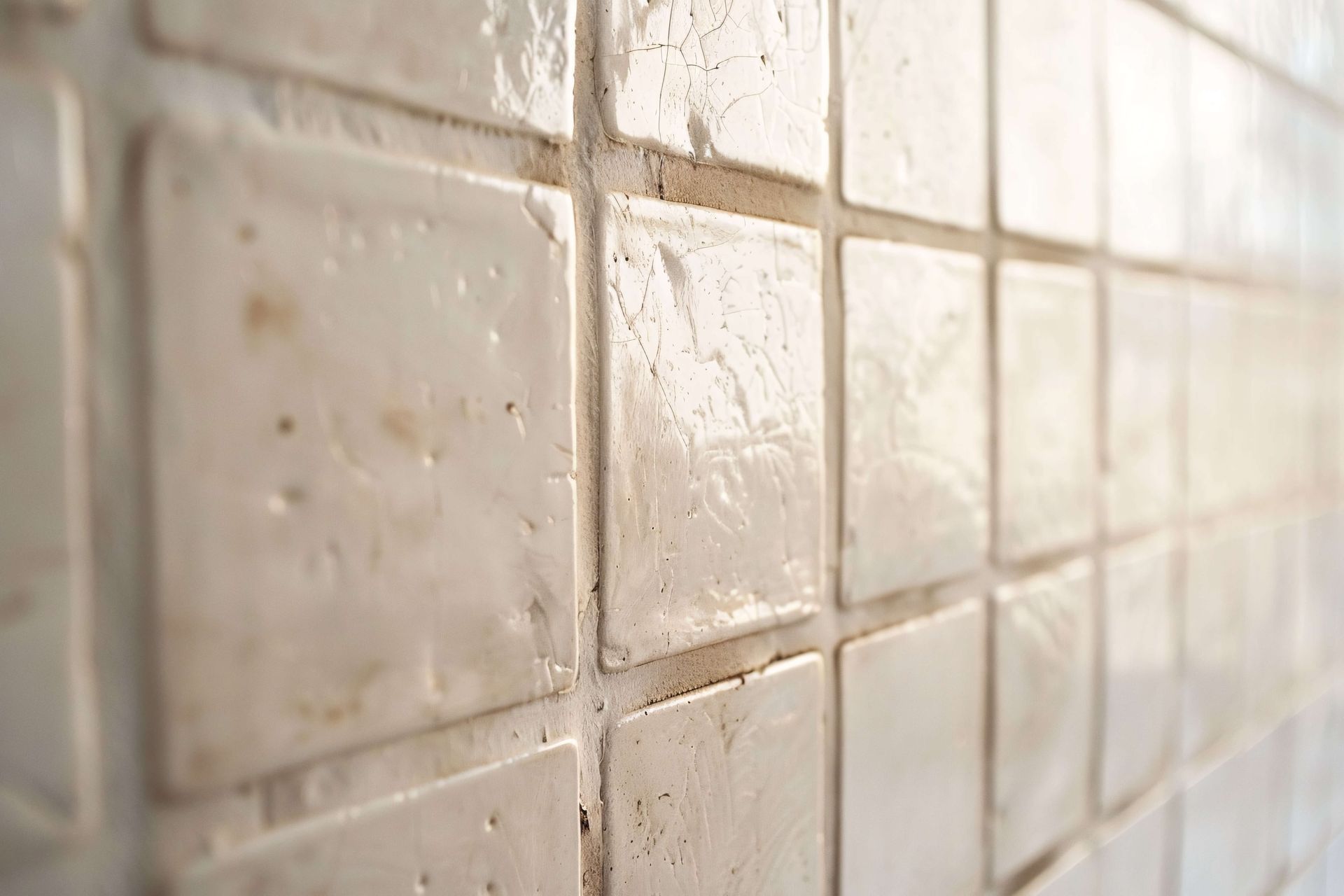
Soap scum is formed through a specific chemical reaction between the fatty acids naturally present in bar soap and body wash products and the calcium and magnesium minerals found in hard water. When this combination of substances lands on your tile surfaces during showering and is not immediately and thoroughly rinsed away and dried, it dries into a white, chalky, or grey film that chemically bonds to the tile and grout surface at a microscopic level. With each subsequent shower, another layer is deposited on top of the last, and over weeks and months.
Mildew is an entirely different but equally problematic issue. It is a type of surface fungus from the mould family that thrives in precisely the conditions every bathroom provides: consistent warmth, high humidity, poor air circulation, and organic material from skin cells, soap residue, and shampoo products to feed on. It appears most commonly as black, dark grey, or pink discolouration in grout lines, around silicone seals, in the corners of showers, and along the bottom edges of tiles where moisture collects and sits for extended periods after every use.
Why Home Cleaning Products Cannot Fix These Problems Properly?
Many homeowners spend significant time and money trying every spray cleaner, scrubbing product, and home remedy available, such as white vinegar, baking soda, bleach, and commercial tile sprays, only to find that the results are temporary at best. Soap scum returns within days, mildew comes back within weeks, and grout lines remain stubbornly discoloured no matter how much effort goes in. This is not a reflection of how hard you are cleaning; it is a reflection of the fundamental limitations of household cleaning products when applied to problems that have developed beyond the surface level.
Standard cleaning products are formulated to maintain surfaces that are already clean; they are not designed to penetrate hardened multi-layer soap scum deposits, eradicate deeply embedded mildew organisms from within grout, or restore heavily stained grout to its original colour. Attempting to do so with abrasive scrubbing tools risks scratching the protective glaze on your tiles. The only genuine solution is professional-grade equipment and treatments that reach where household products cannot, which is exactly what our
Tile & Grout Cleaning service at Stain Doctors is designed to deliver.
The Real Impact of Leaving These Problems Untreated
Soap scum, mildew, and damaged grout are not only cosmetic problems. When they are left too long, they can affect the look of the bathroom, make cleaning harder, and allow moisture to sit where it should not. Over time, cracked or worn grout can lead to bigger issues behind the tiles. What starts as a surface cleaning problem can become a repair problem if it is ignored for too long. That is why early treatment is often the more practical and cost-effective option.
Problems that can develop over time include:
- grout becoming weak, cracked, or crumbly
- moisture getting behind tiles
- musty smells that keep coming back
- stains that become harder to remove
- tiles loosening as the surrounding grout breaks down
- water damage left unaddressed in a mat requires a full
Water Damage Restoration service
How Our Professional Tile and Grout Cleaning Service Works
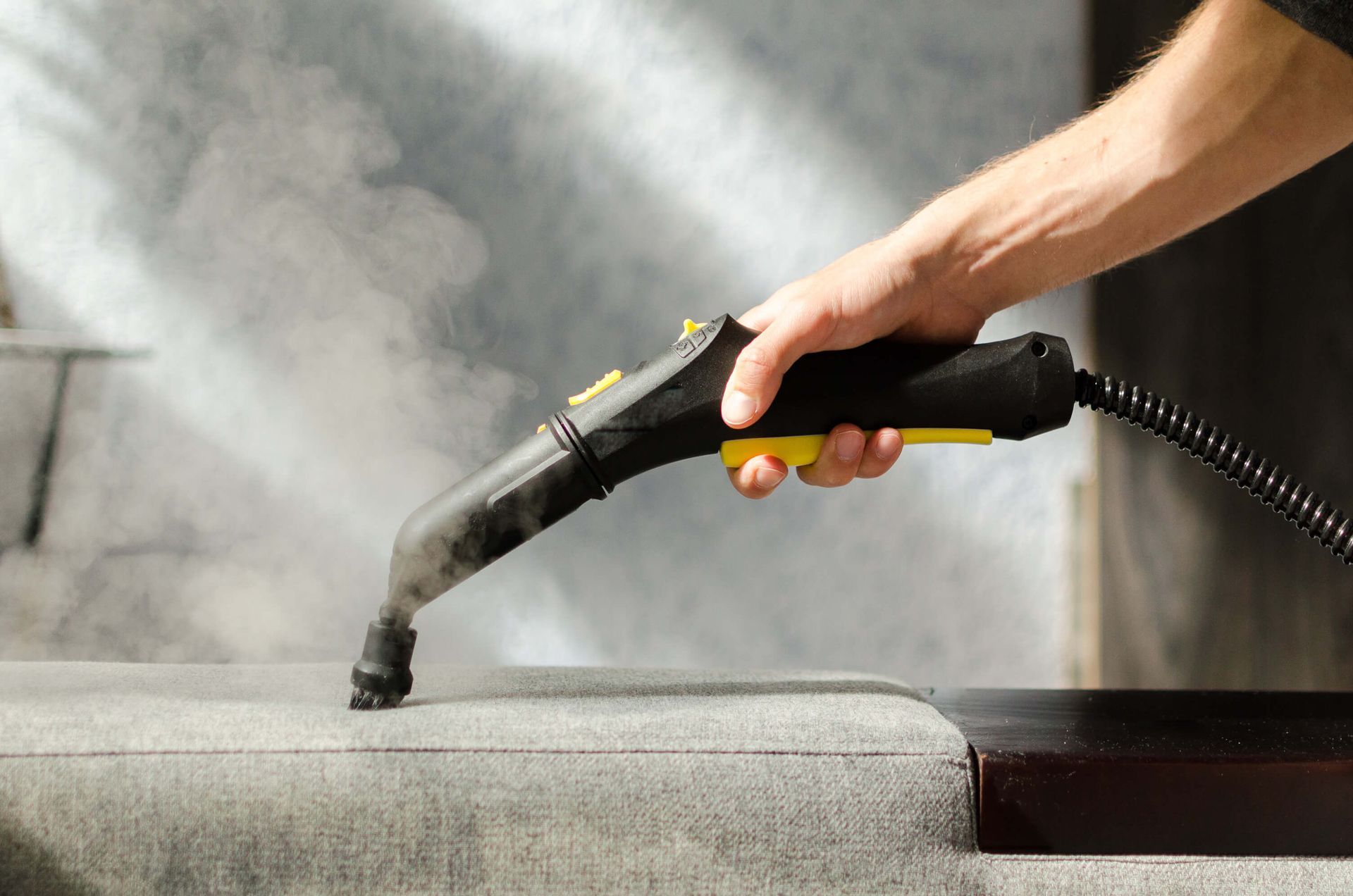
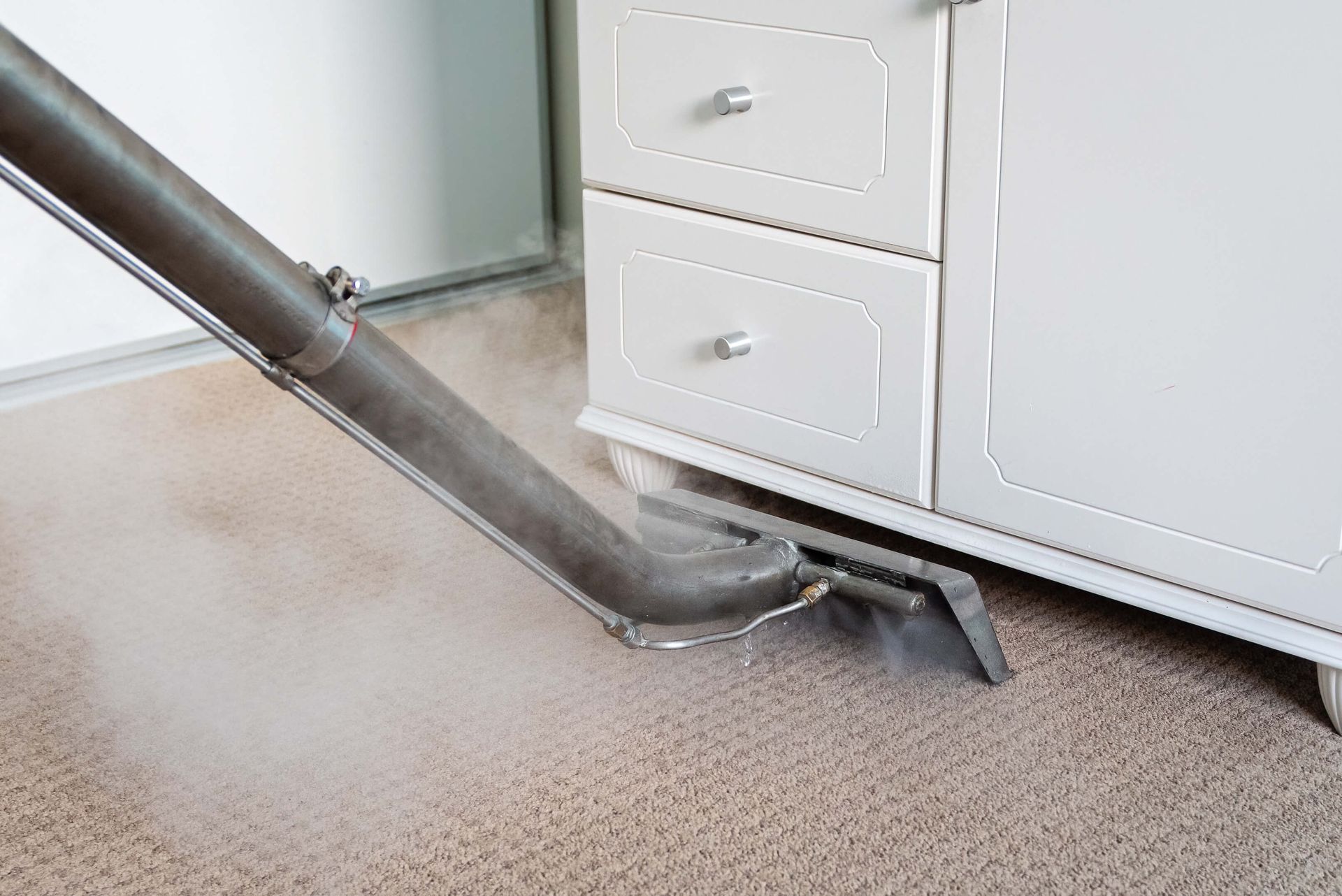
Professional tile and grout cleaning goes beyond surface scrubbing. It is designed to remove the buildup that sits deep in grout lines and on tile surfaces, where normal products usually fail. At this stage, the goal is not just to improve appearance but to clean more thoroughly and help protect the area going forward. This is especially useful in bathrooms where soap scum, mildew, and mineral deposits keep coming back. A proper professional clean also makes future maintenance easier.
A typical professional process may include:
- checking the condition of the tiles and grout
- applying the right treatment for buildup and staining
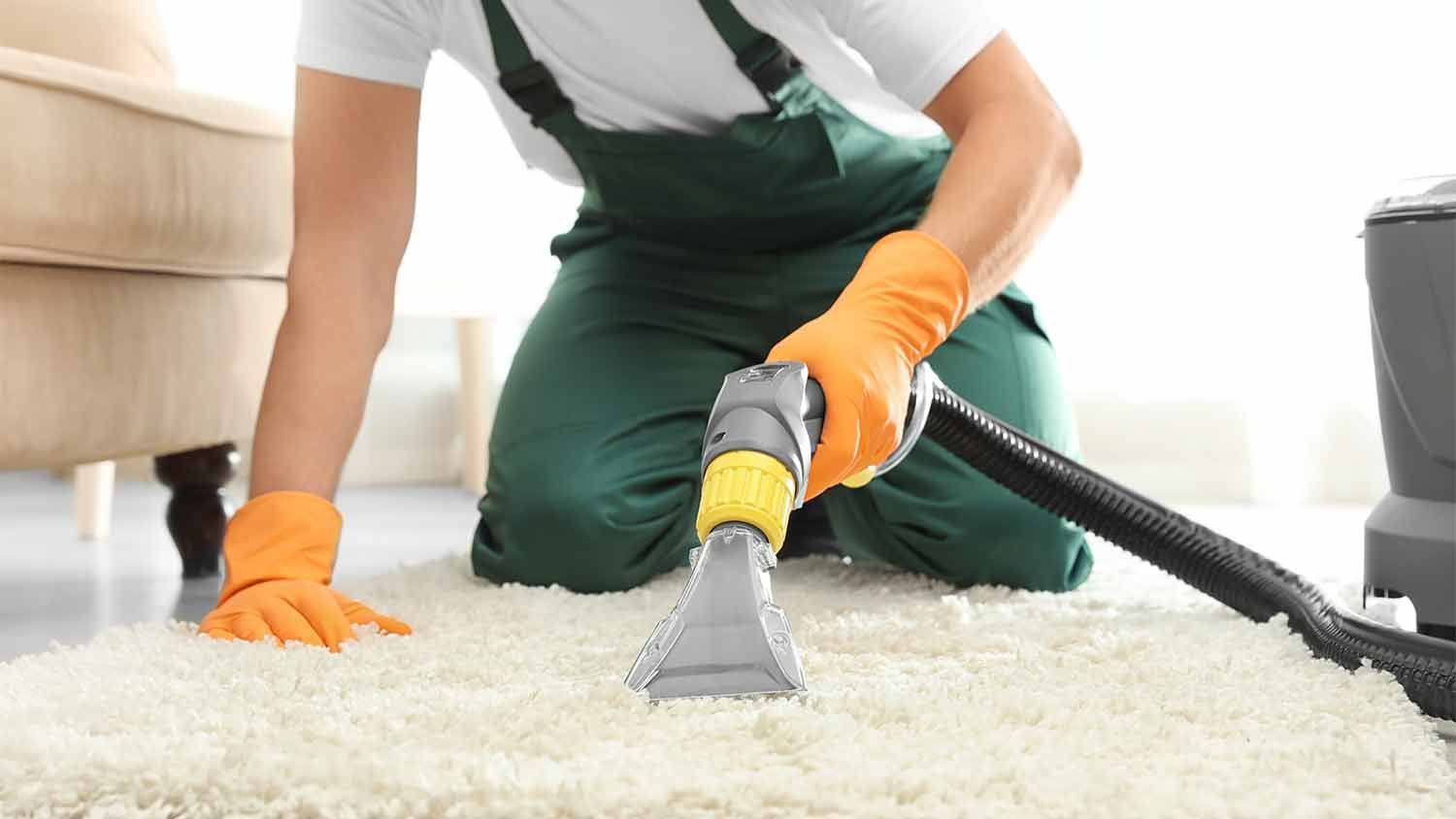
- deep cleaning with professional equipment
- extracting grime from grout lines and tile surfaces
- sealing the grout to help reduce future moisture absorption
Common Tile and Grout Problems NSW Homeowners Should Not Ignore
Many tile and grout problems begin as small signs that are easy to overlook. A little staining, some soap scum, or a patch of mildew may not seem serious at first, but these issues often point to deeper moisture and cleaning problems. Hard water deposits can build up around taps, showerheads, and drains, while grout lines may start to look darker even after regular cleaning. In many NSW bathrooms, these signs return quickly because the buildup is no longer sitting only on the surface.
Other warning signs can suggest the bathroom needs professional attention sooner rather than later. Cracked or crumbling grout can let water move behind the tiles, which may lead to hidden damage over time. A musty smell that does not go away after cleaning can also point to trapped moisture or mould growth behind the tiled area. Loose or hollow-sounding tiles and discoloured silicone seals are further signs that water may be getting into places it should not.
Contact Stain Doctors Today
At Stain Doctors, we understand how frustrating it is to spend time and money on bathroom cleaning that never delivers the results you need. You should not have to live with stained grout, soap scum build-up, or mildew in your bathroom, and you do not have to. Our professional Tile & Grout Cleaning service is the solution that actually works, and our experienced team is ready to restore your bathroom to a genuinely clean, fresh, and healthy condition that makes a real and immediate difference.
Contact us today and let Stain Doctors take care of the cleaning challenges that home products simply cannot fix. We give a complete professional cleaning solution across NSW.
Frequently Asked Questions (FAQs)
How often should bathroom tiles and grout be professionally cleaned?
Most NSW households need a professional Tile & Grout Cleaning service every twelve to eighteen months. Leaving it too long leads to grout deterioration, water penetration, and costly structural repairs.
What is the difference between mildew and black mould in grout?
Mildew sits on the grout surface while black mould penetrates deep into building materials and causes serious health issues. If discolouration keeps returning after cleaning.
Why does my bathroom smell musty after cleaning?
A persistent musty smell means mould is growing inside your wall cavity behind the tiles. No surface cleaning will fix this; contact Stain Doctors for a professional inspection.
Why is my grout still stained after trying every product?
Grout staining is embedded deep within the porous grout structure, where household products simply cannot reach. Only professional Tile & Grout Cleaning using hot water rotary extraction delivers lasting results.
Ready to work with Stain Doctors?
Let's connect! We’re here to help.
Send us a message and we’ll be in touch.
Or give us a call today at 0242-026-354
Agency Contact Form
More Carpet Cleaning Tips, Tricks & Tools
Stain Doctors Blogs