

How to Get Mold Out of Carpet After Water Damage
That musty smell hitting you the moment you walk into a room tells you something's wrong. Your carpet got soaked, and now you're dealing with more than just dampness. Mould thrives in wet carpets, and it doesn't wait long to make itself at home. If you've caught a small patch early and the water came from a clean source like a tap, some careful DIY work might help. However, larger areas, older water damage, or contaminated water need professional water damage restoration right away.
Whether you're in Wollongong, Campbelltown, or surrounding Illawarra suburbs, acting fast is key to preventing permanent damage. Our experts specialise in treating water-damaged carpets and stopping mold before it destroys your flooring and affects your family's health.
What Causes Mold to Grow in Carpet After Leaks or Spills?
Mold spores float through the air constantly, waiting for the right conditions to settle and multiply. When your carpet stays damp, warm, and dusty, those invisible spores land and start growing colonies within hours. Common water events that create perfect mold conditions include burst pipes, leaking taps, overflowing baths or showers, washing machine failures, storm flooding, and carpet cleaning that leaves fibres too wet for too long.
A wet carpet can start developing mold within 24 to 48 hours if moisture isn't removed properly. Even carpets that feel dry on top can trap moisture underneath for weeks, which explains why mold sometimes appears days after you thought the problem was solved. A slow leak behind your couch can keep carpet fibres damp for an entire week before anyone notices the damage spreading. Professional water damage restoration tackles both visible moisture and the hidden wetness lurking in padding and subfloors.
Carpet Smells Like Mildew: Is It Always Mold?
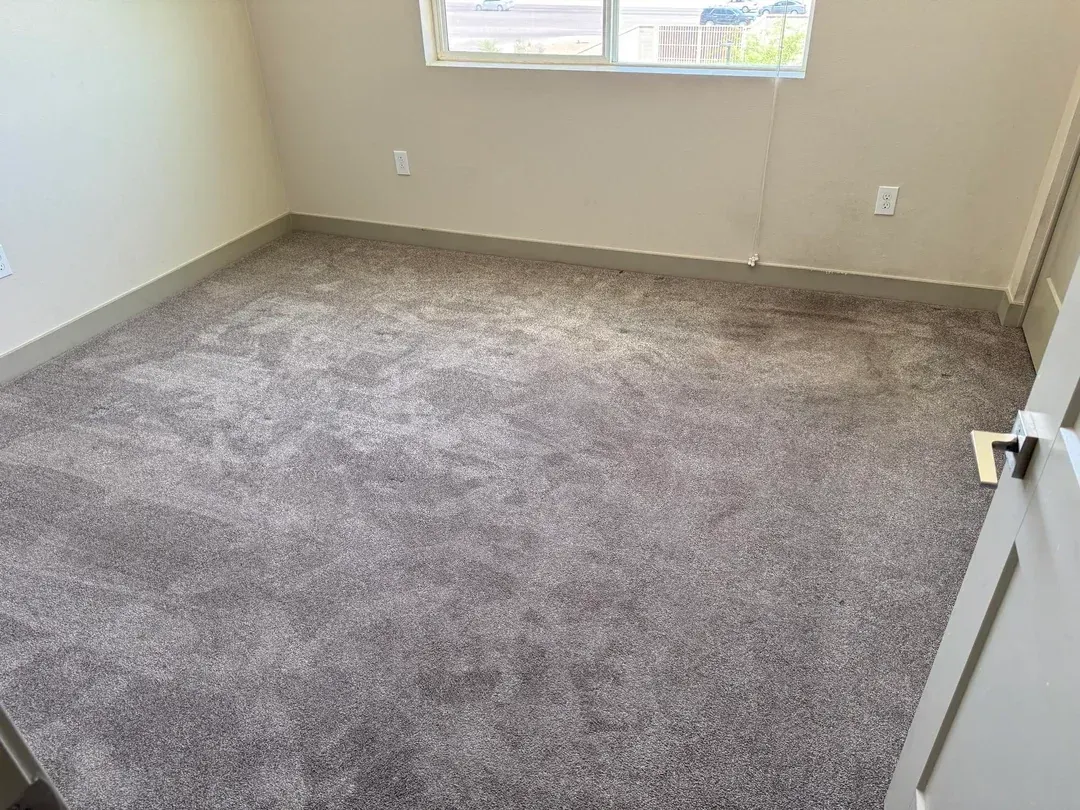
A musty, mildew-like odour is typically your first warning sign that mold has started growing somewhere in your flooring. Even when your carpet surface appears clean and normal, mold colonies hide in the underlay, backing material, subfloor timber, or along skirting boards where moisture gets trapped.
Here are the warning signs that indicate hidden mold growth:
- Smell grows stronger in the morning or after heavy rain hits your area.
- Odour returns quickly after vacuuming or spraying deodoriser products around the room.
- Damp or slightly squishy feeling near walls or furniture bases when walking.
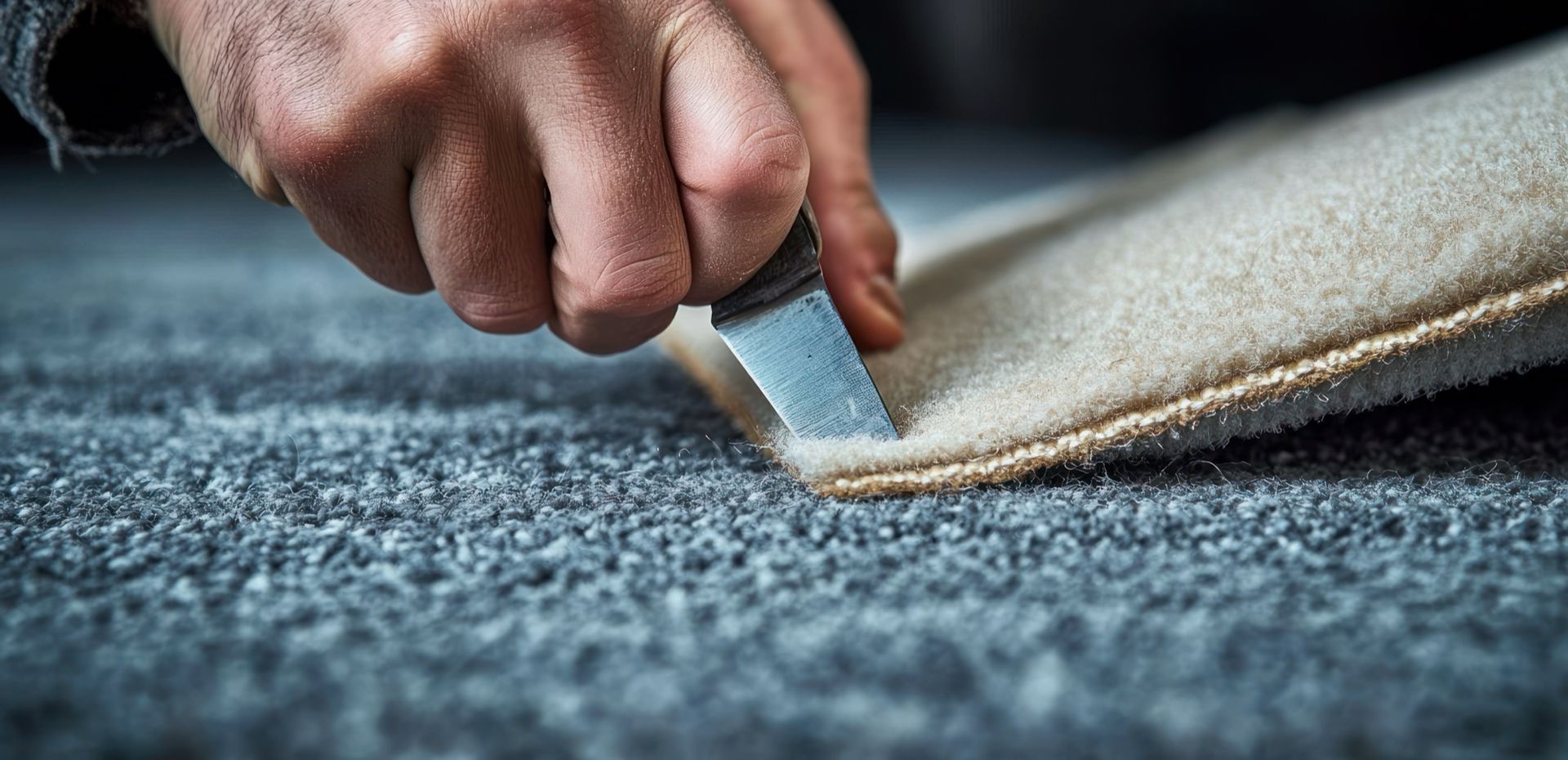
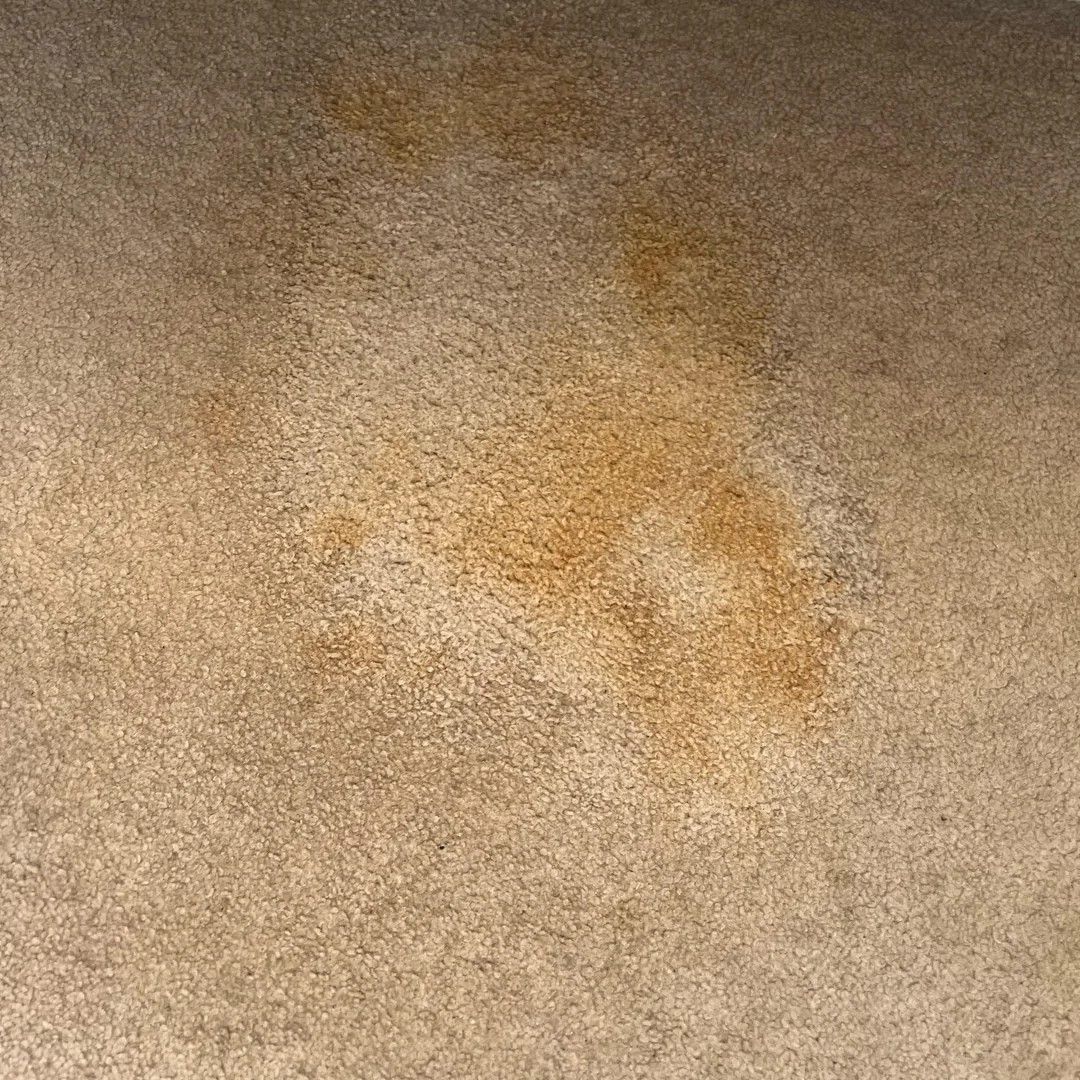
- Discoloured or slightly slimy patches are visible if you lift a carpet corner carefully.
- Anyone in the room starts sneezing or coughing more than usual without explanation.
- Smell persists after 48 hours of ventilation and fans, call Stain Doctors immediately.
Is It Safe to Clean Moldy Carpet Yourself?
Deciding whether to tackle mold removal yourself depends entirely on the situation you're facing. DIY cleaning only works for tiny, fresh patches caught within the first day when water came from a clean source. Anything larger, older, or contaminated requires professional assessment and treatment. Attempting to clean serious mold yourself risks spreading spores throughout your home, damaging carpet fibres with harsh chemicals, and leaving moisture trapped where it continues feeding mold growth in hidden layers beneath your feet.
When a Small DIY Mold Clean Is Reasonably Safe?
You can attempt a careful DIY clean only when specific conditions align in your favour. The water source must have been clean tap water, not sewage, stormwater, or dirty appliance backflow. The affected area needs to be small and localised, roughly under one square metre in total size. Your carpet should have been damp for less than 24 to 48 hours before you started drying efforts.
Nobody living in your home should suffer from severe asthma, allergies, or immune system problems that make mold exposure dangerous. A small leak from an indoor plant pot that you discovered and fixed within a few hours fits these safe DIY criteria.
When You Should Call a Water Damage Specialist Instead
Professional help becomes necessary when water comes from sewage lines, outside floodwater, or a dirty appliance backflow containing bacteria. If your carpet, underlay, or subfloor stayed wet for multiple days instead of just hours, DIY efforts won't reach the deep moisture, causing problems. Mold that keeps reappearing after cleaning, or musty smells that never truly disappear, signal hidden colonies you can't access without proper equipment. Our water damage specialists at Stain Doctors handle everything from initial assessment to complete restoration or replacement recommendations.
How to Get Mold Out of Carpet (For Small Areas Only)
This basic DIY guide applies strictly to small, early-stage patches where conditions remain safe for homeowner treatment. If you feel uncertain about your water type or the true size of moisture damage spreading beneath your carpet, calling a professional protects your health and prevents costly mistakes. You can follow these careful steps for small-scale mold removal:
- Put on protective gloves and a mask before starting; open windows for ventilation.
- Stop the leak source completely, then start drying surrounding wet carpet immediately.
- Lightly vacuum using a HEPA-filter machine if you have one available at home.
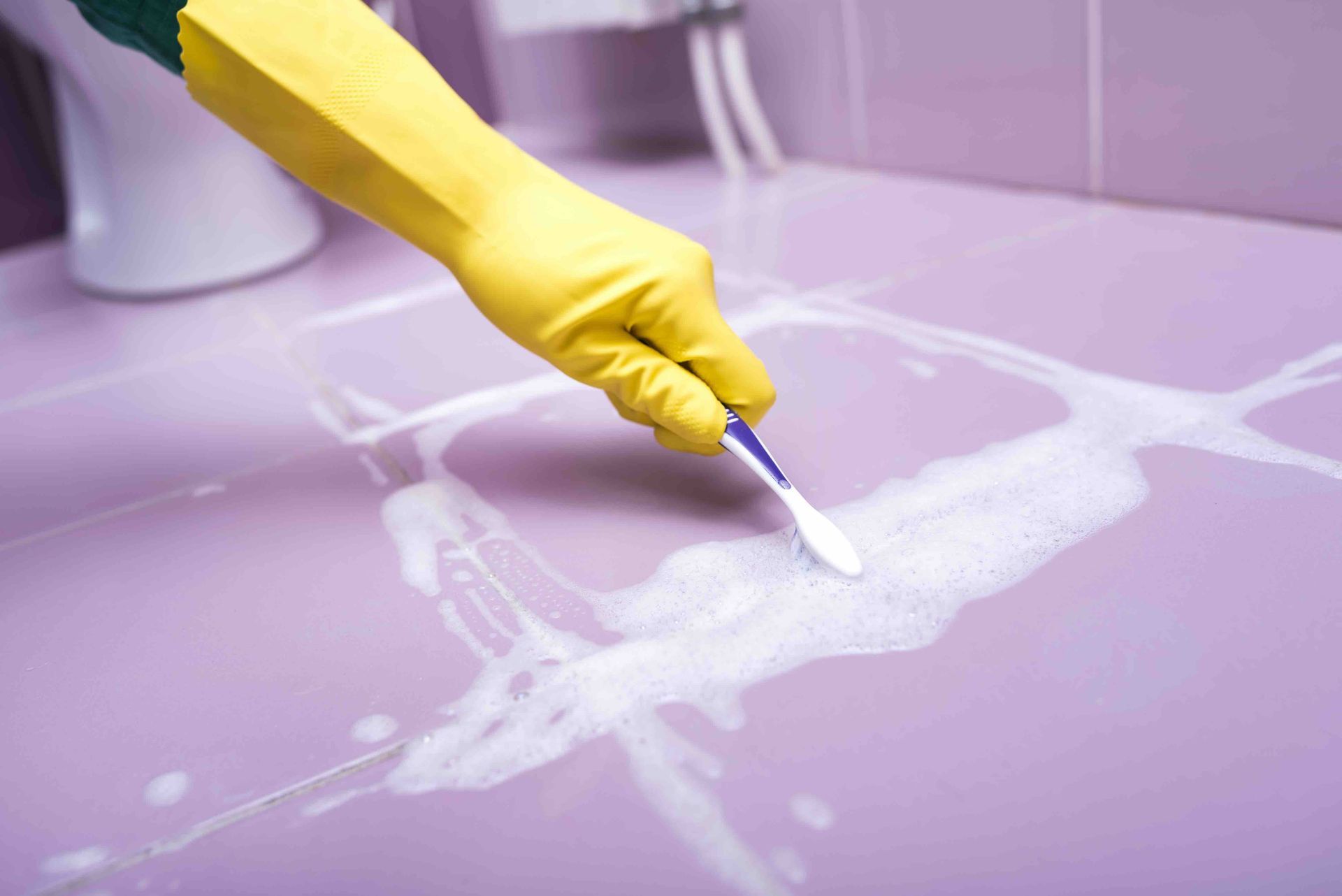
- Apply diluted white vinegar or mild detergent solution; never soak the carpet fibres.
- Gently blot the treated area with clean cloths to lift soil and moisture.
- Run fans or a dehumidifier until carpet and underlay feel completely dry.
When Is a Moldy Carpet Beyond Saving?
Certain situations make carpet replacement the only sensible option, regardless of age or original quality. Water contaminated with sewage, outside floodwater, or heavily contaminated sources carries bacteria and toxins that cleaning cannot fully remove from porous carpet materials. When carpet and underlay stayed soaked for more than 48 to 72 hours, mold colonies become too extensive for effective treatment.
Large visible mold covering multiple rooms, or growth that keeps returning after professional cleaning, indicates the problem has penetrated too deeply into the flooring structure. Strong mildew odours persisting in bedrooms or living spaces affect your family's daily comfort and respiratory health.
How to Stop Carpet Mold and Mildew Smells From Coming Back?
Prevention habits protect your flooring investment and keep your indoor air healthy for everyone living in your home. Maintain indoor humidity levels in the healthy 30 to 50 percent range using air conditioning or dehumidifiers, especially during humid summer months. Clean spills immediately and ensure carpets dry fully through all layers, not just on the visible surface where you can touch fibres.
Also, avoid installing wall-to-wall carpet in areas that stay constantly damp, such as bathrooms, laundries, or certain basement spaces prone to moisture. Use quality door mats and runners near entrances to reduce tracked-in moisture from shoes during wet weather.
Contact Stain Doctors for Expert Carpet Mold Prevention Services
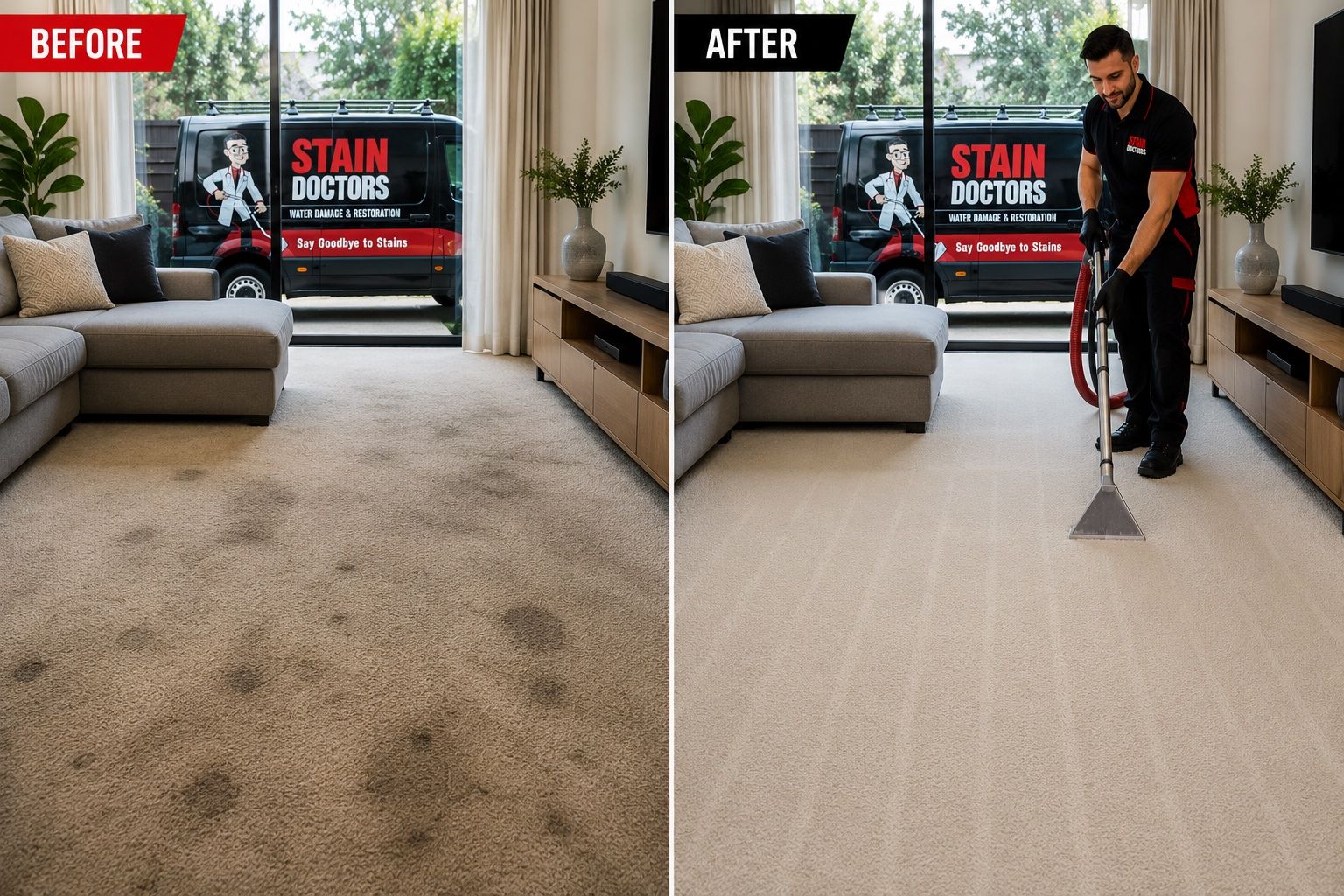
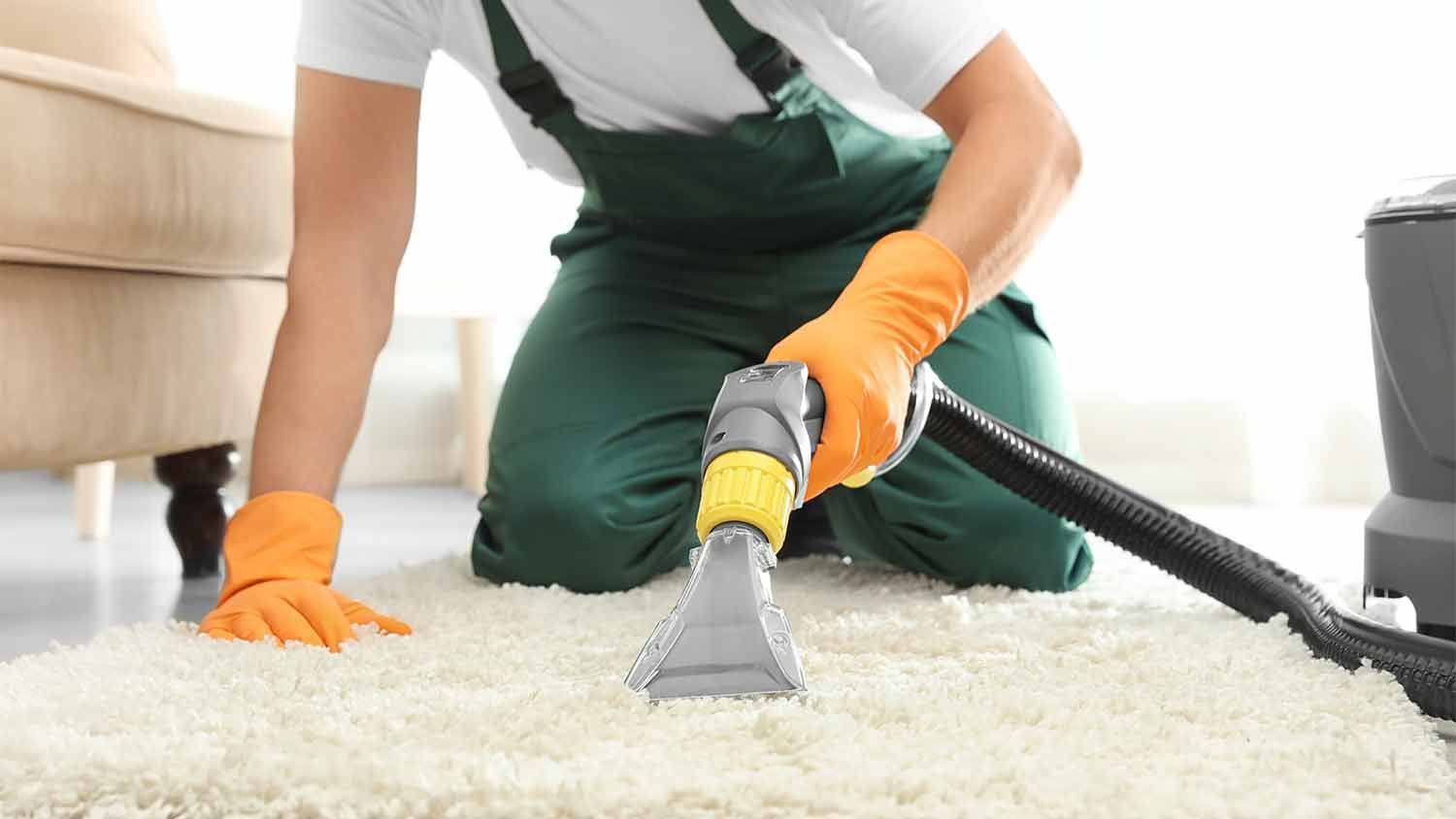
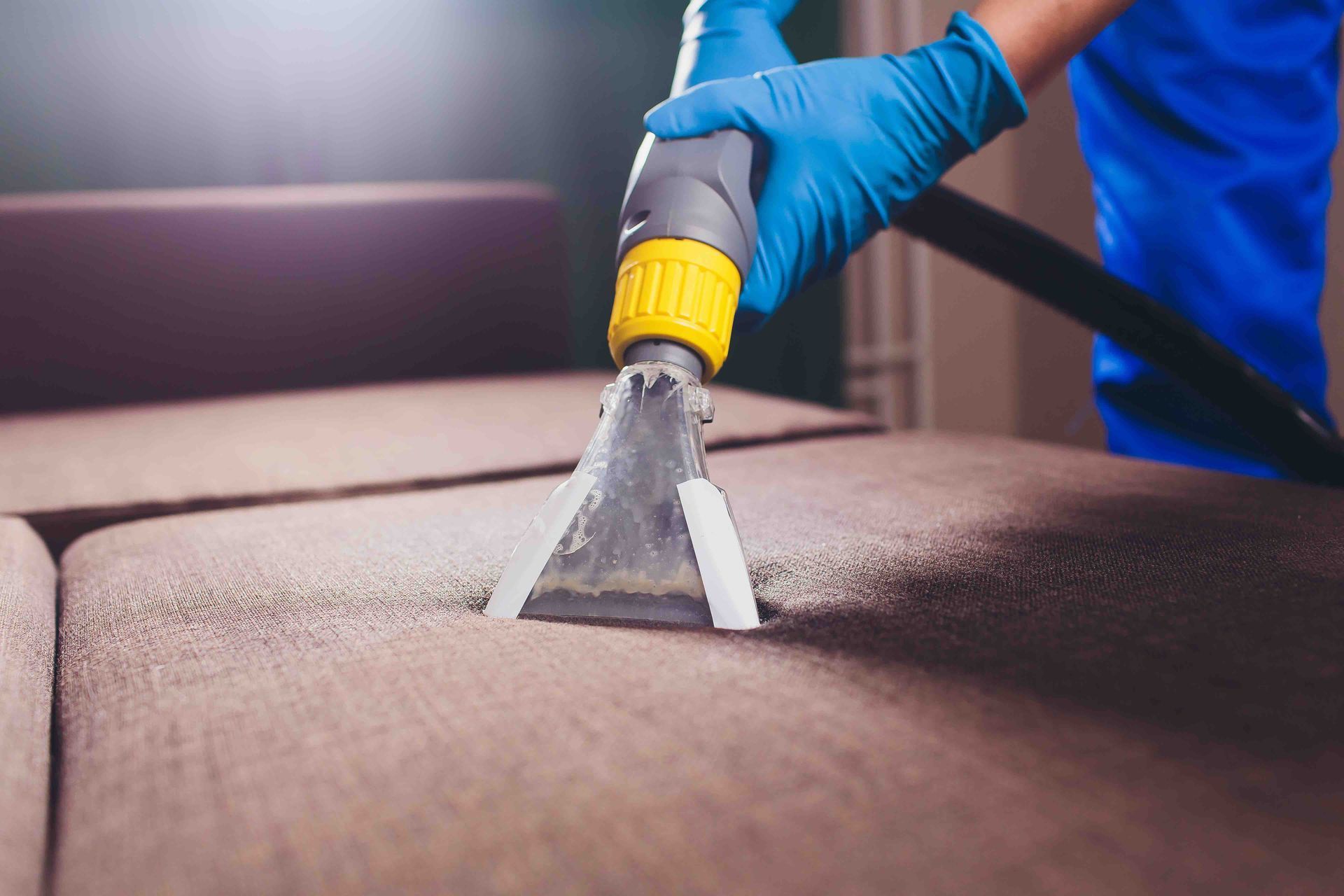
Don't let mold damage your carpets and risk your family's health. Stain Doctors delivers fast, reliable carpet mold prevention and water damage restoration across Illawarra, Wollongong, and Campbelltown. Our experienced team uses professional-grade equipment to eliminate moisture, treat existing mold, and protect your flooring from future problems.
We respond quickly to emergencies and provide honest assessments you can trust.
Contact us today for a thorough inspection and free non-obligatory quote.
Frequently Asked Questions (FAQs)
How long does it take for a wet carpet to grow mold?
Mold can start growing in carpet within 24 to 48 hours if it stays damp. Warm temperatures, poor ventilation, and dust in carpet fibres speed up the process significantly.
Can I sleep in a room if the carpet smells like mildew?
Sleeping in rooms with mildew odours is generally not recommended for your health and comfort. Breathing mold spores overnight triggers asthma symptoms, allergic reactions, and respiratory irritation.
What actually kills mold in carpet: vinegar, baking soda, or bleach?
White vinegar and certain professional anti-microbial treatments can help eliminate mold on small surface spots when applied properly. Baking soda absorbs odours and moisture effectively, but doesn't kill living mold colonies on its own.
How do I know if my carpet mold is too serious for DIY?
Situations involving dirty water sources, large affected areas, long-term dampness, or mold that keeps reappearing signal problems too serious for DIY handling.
Who should I call for water-damaged carpets in Illawarra and Campbelltown?
Stain Doctors provides comprehensive water damage restoration services throughout Illawarra, Wollongong, Campbelltown, and surrounding areas. Our services include emergency wet carpet drying, mold treatment, odour removal, and deep cleaning.
Ready to work with Stain Doctors?
Let's connect! We’re here to help.
Send us a message and we’ll be in touch.
Or give us a call today at 0242-026-354
Agency Contact Form
More Carpet Cleaning Tips, Tricks & Tools
Stain Doctors Blogs